21 Aug 2026
How Swiss Data Protection Standards Shape Secure Bonus Redemption Processes for Mobile Slot and Live Game Users
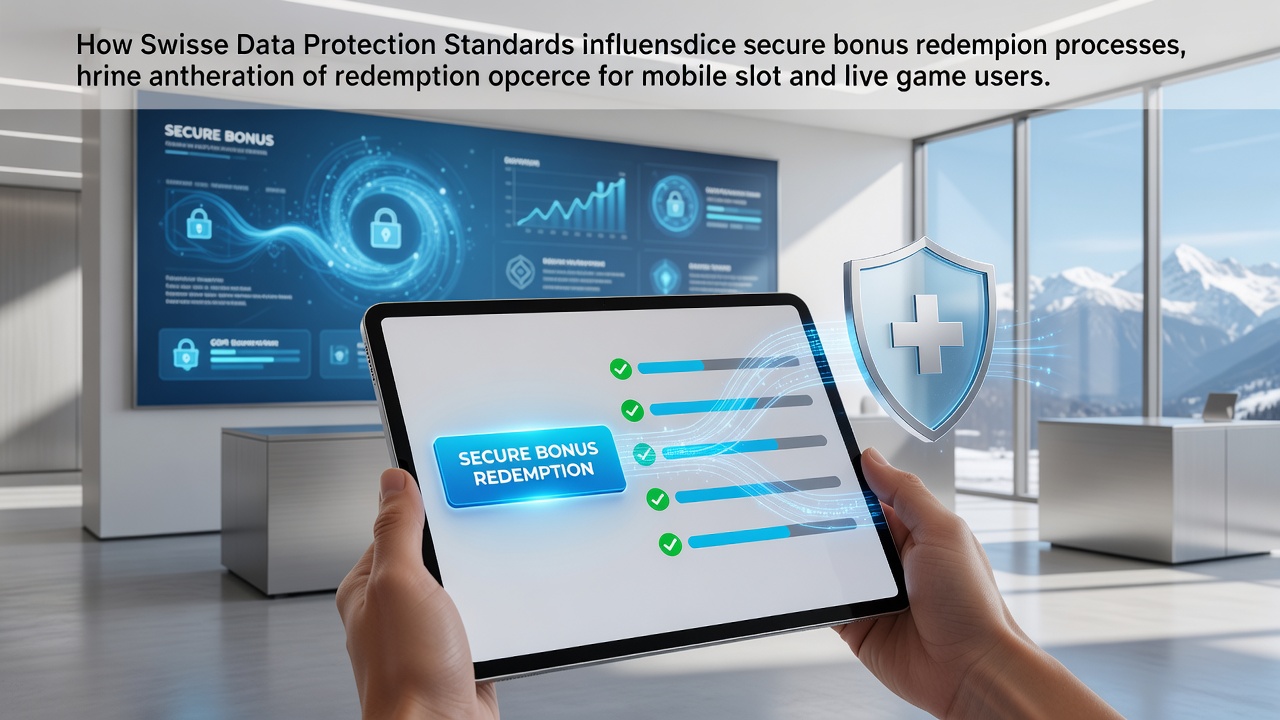
Swiss data protection standards establish clear requirements for handling personal information during bonus redemption in mobile slot and live game platforms, and operators align their systems with the Federal Act on Data Protection to meet those rules. The revised framework emphasizes transparency in data collection, secure storage, and controlled sharing when users claim promotional credits or cash out winnings from mobile sessions. Observers note that these standards require explicit consent mechanisms before any bonus-related data processing begins, which directly affects how platforms verify player identities and transaction histories.
Core Elements of Swiss Data Protection in Gaming Contexts
The Federal Act on Data Protection sets baseline rules for processing personal data, and gaming operators apply these to bonus workflows that involve mobile slot spins and live dealer interactions. Data minimization principles limit the collection of details such as device identifiers and location data to only what is necessary for verifying bonus eligibility. Research from regulatory bodies shows that platforms must document every step of data handling during redemption, creating audit trails that regulators can review. As of August 2026, enhanced notification requirements under the Act mandate that users receive real-time alerts when their bonus data is accessed for verification purposes.
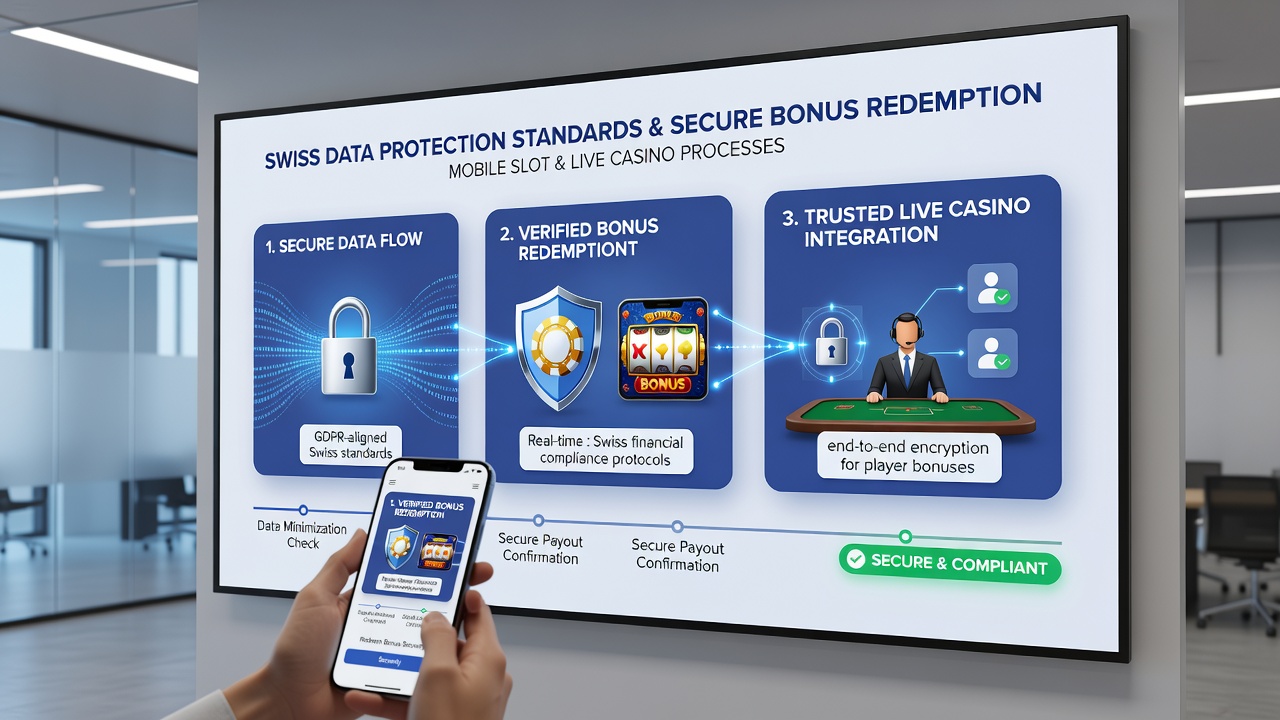
Encryption standards form another layer of protection, and mobile gaming systems use end-to-end protocols to safeguard transaction records tied to bonus claims. Those who manage live game environments often integrate tokenization so that sensitive payment details never appear in plain text during redemption sequences. Figures from industry reports indicate that Swiss-aligned platforms report fewer data incidents when they combine these measures with regular penetration testing.
Application to Mobile Slot Bonus Redemption
Mobile slot users encounter Swiss data standards at the point of bonus activation, where platforms request confirmation of identity without retaining unnecessary profile information. The process typically involves one-time verification codes sent to registered devices, after which the system deletes temporary data caches. Experts have observed that this approach reduces exposure risks compared with older methods that stored full payment histories locally on user phones. Operators must also ensure that slot game algorithms do not inadvertently log behavioral data that could link back to specific bonus redemptions without additional consent.
Security Measures During Live Game Sessions
Live game platforms face additional scrutiny because real-time interactions generate continuous data streams that include chat logs and bet patterns. Swiss standards require separation of bonus eligibility data from gameplay metadata, and operators achieve this through segmented databases that limit access to authorized personnel only. Studies reveal that multi-factor authentication combined with behavioral analytics helps detect unusual redemption attempts before they complete. Platforms often deploy session timeouts that automatically clear temporary data after live dealer rounds conclude, aligning with the Act's emphasis on purpose limitation.
Integration with International Frameworks
Switzerland maintains adequacy status with the European Union, allowing data transfers that support cross-border mobile gaming operations while still meeting local standards. Operators reference guidance from the Swiss Federal Data Protection and Information Commissioner when designing redemption flows that span multiple jurisdictions. A report published by the Office of the Australian Information Commissioner highlights similar approaches in other regions, noting that Swiss practices often serve as a model for balancing user privacy with efficient bonus processing. Data indicates that platforms adopting these combined standards experience smoother compliance audits and fewer user complaints regarding data handling during redemptions.
Verification Protocols and User Controls
Users gain specific rights under Swiss law to access, correct, or request deletion of data connected to their bonus histories, and mobile interfaces must provide straightforward tools for exercising those rights. Platforms implement self-service portals where players can review which data points supported their most recent slot or live game redemption. Researchers have documented that clear opt-out options for marketing-linked bonus data improve overall trust in the system. Automated logging ensures that every access request receives a timestamped record, satisfying accountability requirements without creating excessive administrative overhead.
Conclusion
Swiss data protection standards continue to influence how mobile slot and live game operators structure bonus redemption, requiring precise controls over personal information from initial claim through final payout. The combination of encryption, minimization, and user-access rights creates a framework that supports secure transactions while meeting regulatory expectations. As platforms adapt to updates scheduled around August 2026, the focus remains on maintaining transparent processes that protect user data throughout every stage of mobile gaming activity.