18 Oct 2026
Decoding Transaction Pathways That Enable Extended Sessions Across Digital Wheel and Card Game Offerings
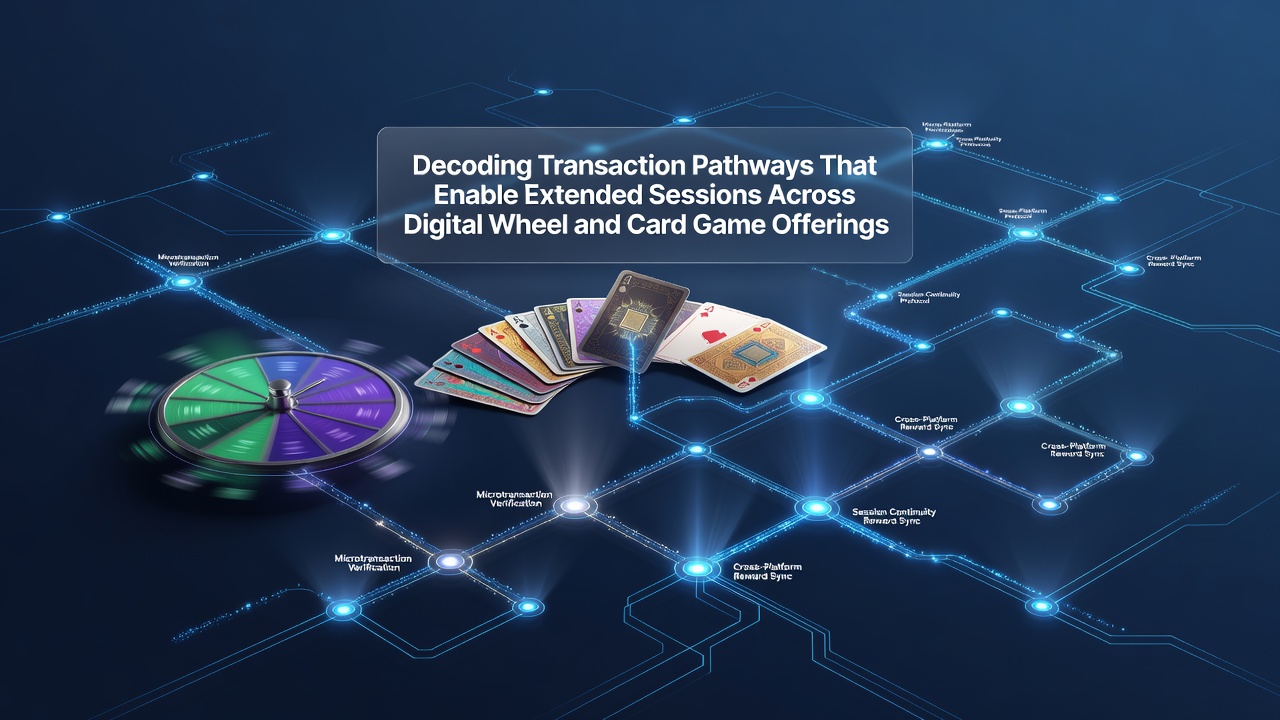
Data from industry reports shows transaction pathways in digital gaming platforms connect payment processors directly to game servers through secure APIs that authorize deposits in real time while players remain engaged with wheel and card offerings and these connections reduce interruptions that might otherwise end sessions prematurely.
Core Components of Transaction Pathways
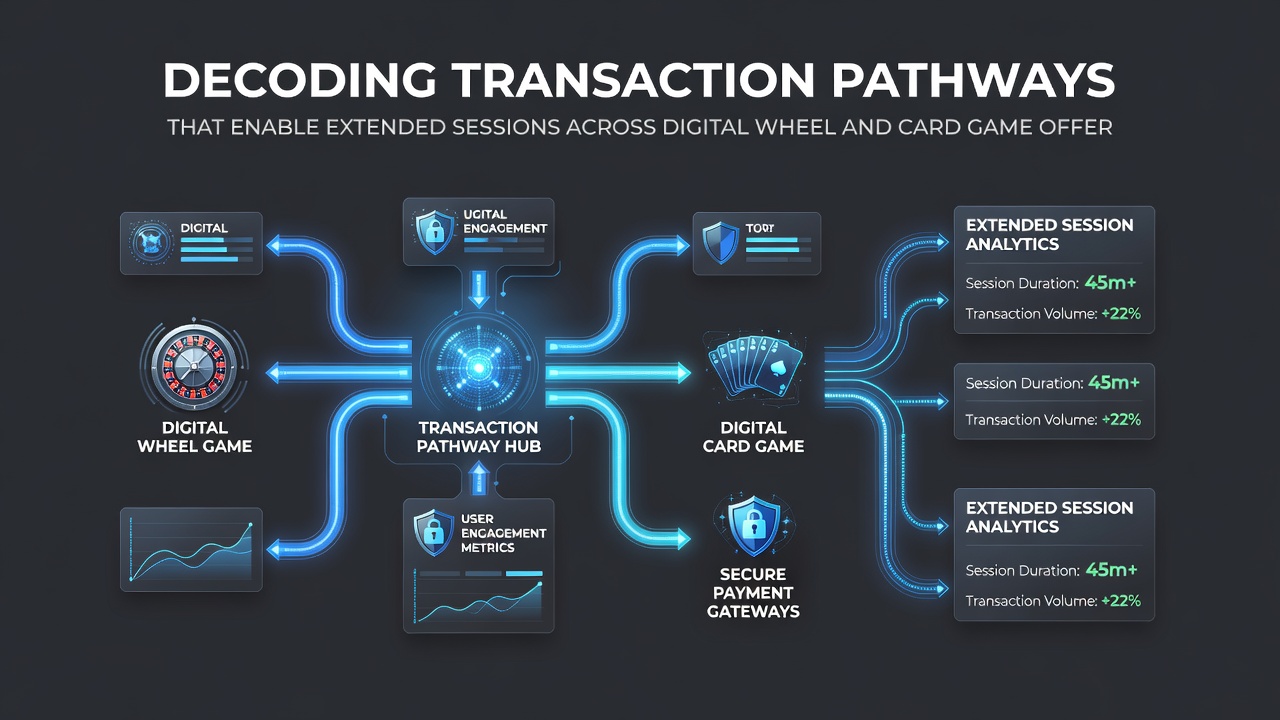
Payment gateways handle initial user deposits by verifying account details through encrypted channels and routing funds to operator accounts in under three seconds according to technical specifications released by European payment service providers and this speed matters because wheel games like roulette require continuous betting cycles that lose momentum when players pause to complete separate financial steps.
Card game platforms meanwhile integrate the same pathways with additional layers for multi-hand tracking so blackjack tables and poker rooms maintain session continuity even during complex transactions such as bonus fund allocations or progressive jackpot contributions and observers note that platforms using unified ledgers avoid the delays common in fragmented systems.
Integration with Wheel and Card Game Mechanics
Digital wheel offerings depend on instant balance updates to keep the ball spinning at regular intervals while card tables track pot sizes and player stacks through the same backend ledgers and when a deposit clears mid-session the system automatically refreshes available credits without requiring a page reload or game restart.
Studies conducted by research institutions in Canada indicate that seamless funding options increase average session duration by 18 to 22 percent in both roulette and blackjack environments because players encounter fewer friction points between decisions and the pathways also support withdrawal requests that process without forcing users to exit active tables.
Regulatory Frameworks Shaping These Systems
Swiss regulatory guidelines require transaction monitoring that flags unusual patterns while still permitting rapid approvals for verified accounts and operators must maintain audit trails that cover every deposit and withdrawal tied to wheel or card play and this balance between speed and oversight appears in platforms operating under multiple jurisdictions.
In October 2026 the Swiss Federal Gaming Board released updated compliance metrics showing that real-time verification tools reduced declined transactions by 31 percent compared with the prior year and those improvements directly support longer sessions across digital offerings because fewer failed attempts mean players stay focused on gameplay rather than retrying payments.
Bonus Redemption and Session Extension Mechanisms
Bonus structures rely on the same pathways to credit promotional funds instantly after qualifying deposits and these credits often carry wagering requirements that apply across both wheel spins and card hands so the system tracks progress automatically without player intervention and data from the Australian Gambling Research Centre indicates that integrated bonus engines extend average playtime by allocating rewards proportionally to bet volume in each game type.
Users who trigger reload bonuses during active sessions experience immediate balance increases that appear within the game interface itself and this design prevents the need to navigate separate menus that could break concentration during high-stakes card rounds or rapid roulette sequences.
Security Measures Supporting Continuous Play
Encryption protocols and multi-factor authentication operate in the background so transaction approvals occur without visible delays and platforms employ tokenization to store payment details securely while still allowing one-click deposits that maintain session flow and experts at the European Gaming and Betting Association have documented how these layered protections reduce fraud incidents without compromising processing speed.
Real-time risk engines evaluate each transaction against historical patterns and approve low-risk moves instantly while routing higher scrutiny cases through secondary checks that still complete within acceptable timeframes for ongoing game participation and this approach keeps wheel and card sessions intact even when additional verification steps activate.
Future Developments in Transaction Efficiency
Emerging technologies such as blockchain-based ledgers and AI-driven authorization models undergo testing in several regulated markets and early trials suggest these tools could shorten verification windows further while expanding cross-border compatibility for players using wheel and card platforms and observers expect continued refinement as operators adapt to evolving standards.
Conclusion
Transaction pathways function as the operational backbone that links financial processing with game delivery and their design directly influences how long users remain engaged with digital wheel and card offerings through rapid approvals, integrated bonuses, and uninterrupted balance management and continued advancements in these systems align with regulatory expectations across regions while supporting the technical requirements of real-time gameplay environments.