15 Nov 2026
Charting Transaction Flows that Link Instant Funding Options to Extended Sessions in Portable Reel and Table Game Setups
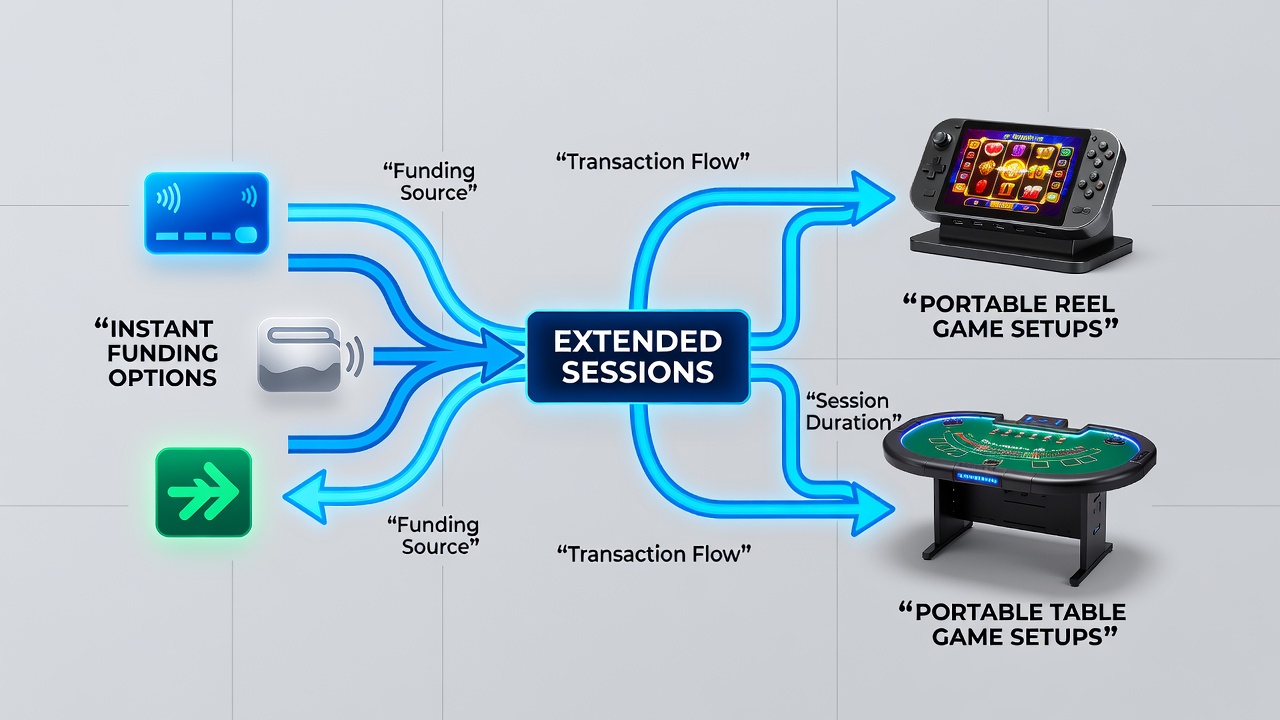 Transaction flows in portable gaming environments connect instant funding mechanisms directly to session duration on reel and table game applications, and observers note that these pathways rely on seamless integration between payment processors and gaming platforms. Data from industry monitoring groups shows that methods such as real-time bank transfers, digital wallets, and contactless card authorizations allow users to replenish balances without leaving the application interface. Researchers at academic institutions tracking mobile gaming patterns have documented how these connections reduce interruptions, which in turn supports continued play across both slot-style reel setups and digital table game variants. Payment rails like open banking protocols and instant settlement networks operate under regulatory frameworks established in multiple jurisdictions. Figures from the Malta Gaming Authority indicate that transaction approval times have dropped below five seconds in many certified systems during 2025, and similar metrics appear in reports covering North American and Asian markets. This speed enables players to maintain momentum when moving between portable devices and different game types, while compliance checks occur in the background through encrypted data exchanges.
Core Components of Instant Funding Pathways
Instant funding options encompass several distinct technologies that feed into gaming accounts. Real-time payment schemes such as those governed by the European Payments Council allow direct debits from bank accounts to reach operator ledgers within seconds. Digital wallet services integrate through API connections that verify funds availability before confirming the transfer. Studies published by Canadian research centers reveal that these processes typically involve three main stages: authentication, balance verification, and ledger update, each completed in rapid succession on mobile networks.
Portable reel and table game setups depend on these flows because session continuity often hinges on quick access to additional credits. When users engage with spinning reel mechanics or virtual card tables on smartphones and tablets, the underlying transaction architecture keeps the experience uninterrupted. Evidence collected by the Australian Communications and Media Authority demonstrates that average session lengths increase when deposit confirmation occurs in under ten seconds, particularly in environments where players alternate between reel games and table formats.Mobile Infrastructure Supporting Extended Play
Network conditions and device capabilities influence how transaction flows perform in practice. High-speed mobile data connections combined with optimized application code allow background processing of funding requests while gameplay continues. One analysis from a European university research team examined logs from thousands of sessions and found that seamless reloads correlate with longer engagement periods across both reel and table categories. Security protocols, including tokenization and multi-factor verification, run concurrently without requiring users to pause their activity.
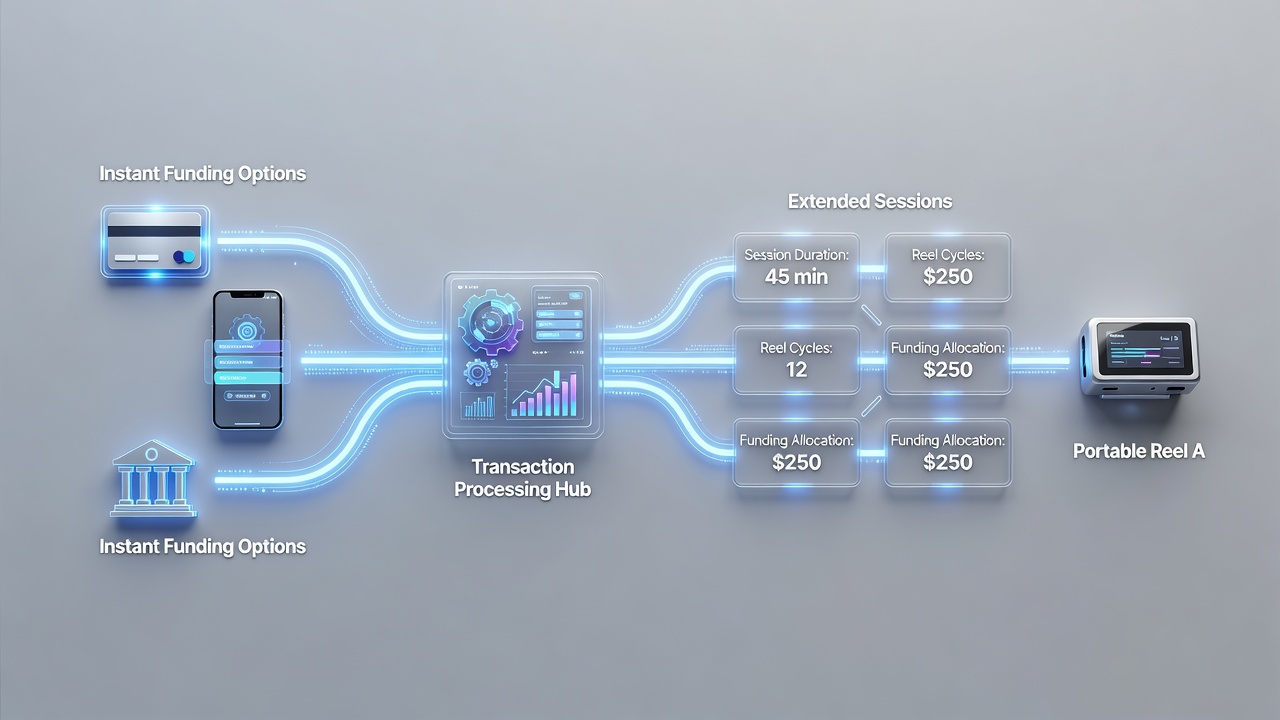 Regulatory updates scheduled for November 2026 in several regions aim to standardize reporting requirements for these transaction pathways. Authorities in multiple countries plan to require operators to log the time between funding initiation and game resumption, creating datasets that researchers can use to map flow efficiency. Such measures build on existing standards already in place for licensed platforms operating reel and table game content.
Regional Variations in Transaction Mapping
Geographic differences appear in the dominant funding methods that link to extended sessions. In parts of Asia, QR-code based instant transfers dominate, whereas North American markets show higher adoption of wallet integrations tied to banking apps. Data aggregated by the National Indian Gaming Commission highlights volume increases in mobile transactions during peak evening hours, when players frequently move between reel and table offerings on portable devices. European operators report similar patterns under frameworks managed by national gaming boards outside the UK.
These variations affect how session data gets recorded and analyzed. Operators use internal dashboards to track the ratio of funding events to total play time, and third-party auditors review the logs for compliance. Academic papers examining cross-border mobile gaming note that consistent flow architecture helps maintain user retention across different regulatory zones.Conclusion
Transaction flows that connect instant funding to extended portable sessions continue to evolve with improvements in payment technology and regulatory alignment. Information compiled through 2025 and into projections for late 2026 shows steady integration between deposit systems and mobile gaming platforms across reel and table game formats. Stakeholders monitor these developments through standardized reporting that captures timing, volume, and compliance metrics, providing a factual basis for understanding session dynamics in this segment of the industry.